
Building a high-quality tennis court is a significant investment, whether it’s for a private residence, sports academy, school, or commercial complex. One of the most important factors that determine the durability, performance, and safety of a court is the tennis court material you choose. Equally crucial is selecting a trusted tennis court construction who can supply and install the court to meet the highest industry standards.
In this article, we’ll explore the different types of tennis court materials, their advantages, and how to select the right manufacturer for your project.
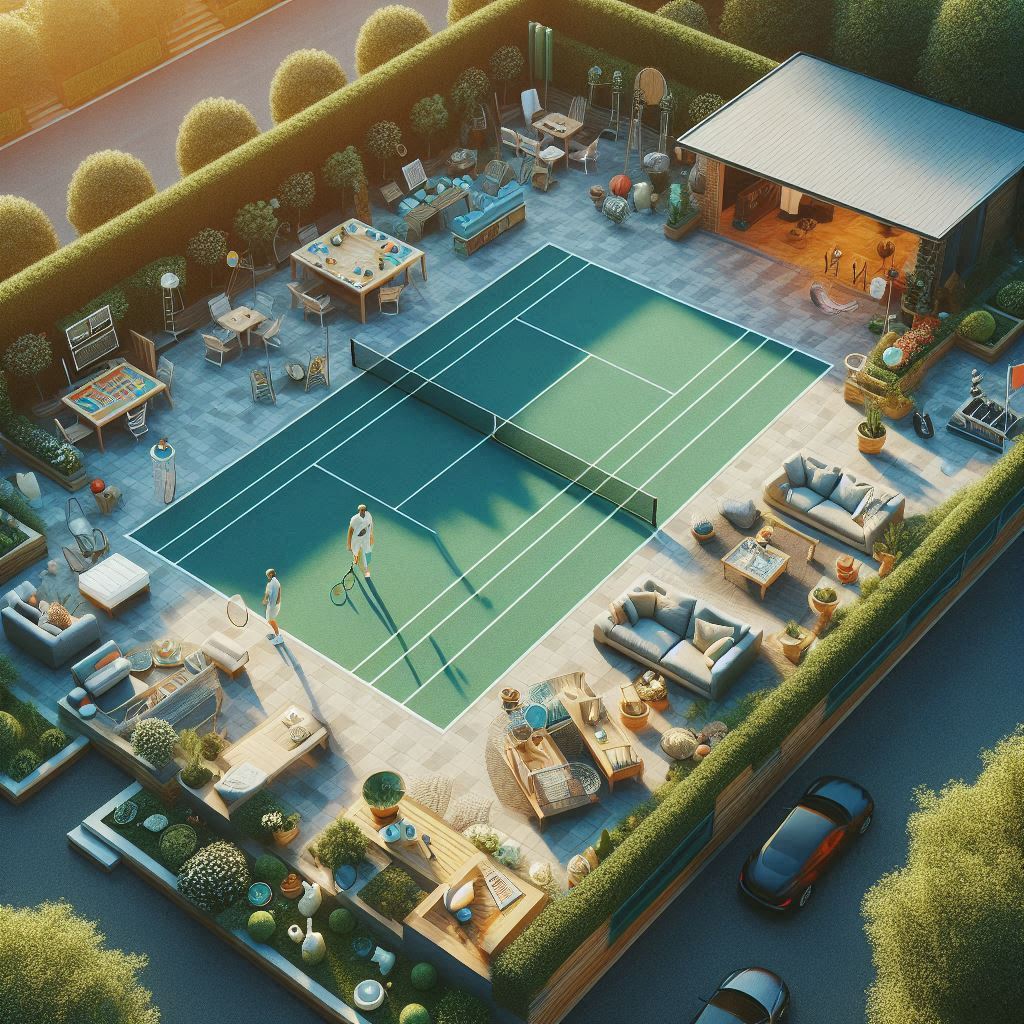
Types of Tennis Court Materials
Choosing the right material for your tennis court is essential for ensuring optimal performance, player safety, and long-term durability. Different materials suit different playing styles, climates, and maintenance expectations. Here are the most common options:
1. Hard Court (Acrylic or Concrete)
Hard courts are one of the most popular surfaces worldwide. They are made by applying layers of acrylic coating over an asphalt or concrete base. These courts offer medium to fast ball speed, consistent bounce, and excellent durability. They are also relatively low maintenance and suitable for both recreational and professional play.
2. Synthetic Turf (Artificial Grass)
Synthetic turf offers the look and feel of natural grass but with enhanced durability and minimal maintenance. It provides medium ball speed and a comfortable playing surface, making it ideal for residential courts, sports clubs, and multi-purpose areas.
3. Clay Court
Clay courts are known for their slow ball speed and high bounce, encouraging long rallies and strategic play. They are gentle on players’ joints but require regular maintenance to keep the surface level and in good condition.
4. Natural Grass Court
Grass courts deliver the fastest play and lowest bounce among all tennis surfaces. Though they provide a premium playing experience, they demand extensive care and are best suited for exclusive clubs and high-level competitions.
5. Modular Interlocking Tiles
Modular tiles are made from high-impact polypropylene and are often used for temporary courts, indoor facilities, or multi-sport environments. They are easy to install, provide good shock absorption, and are available in various colors.
Why the Right Tennis Court Manufacturer Matters
Choosing a reliable tennis court manufacturer is just as important as selecting the right material. An experienced manufacturer ensures that you get premium-quality materials, proper installation, and after-sales support. Here’s what to look for when choosing a manufacturer:
1. Experience and Reputation
Opt for manufacturers with a proven track record in producing tennis court materials and constructing courts. Check their portfolio, read customer reviews, and ask for references.
2. Material Quality
The best manufacturers use high-grade materials that are designed to withstand weather conditions, heavy usage, and regular maintenance.
3. Customization Options
Every site and customer requirement is unique. A reputable manufacturer should offer customized solutions based on your specific needs, location, and budget.
4. Installation Support
Many top manufacturers provide end-to-end services, including site assessment, design assistance, material supply, and professional installation. This ensures seamless project execution and adherence to quality standards.
5. Warranty and After-Sales Service
A reliable manufacturer stands behind their product with warranty coverage and ongoing maintenance support, ensuring long-term satisfaction.
Benefits of High-Quality Tennis Court Materials
- Consistent ball bounce and playing speed
- Reduced risk of player injuries
- Enhanced durability and resistance to weather conditions
- Lower maintenance costs over time
- Attractive aesthetics for residential and commercial spaces
Final Thoughts
Selecting the right tennis court material and partnering with a reputable Tennis Court Flooring is essential for building a safe, high-performance, and long-lasting tennis court. Whether you prefer a hard court, clay surface, grass, or synthetic turf, quality materials and expert installation will ensure years of enjoyable gameplay and minimal maintenance hassles.
Invest wisely, and your tennis court will become a valuable asset that enhances both property value and sporting experience.


 digitaldata
Leave a comment